Green hydrogen system – powering the low-carbon...
As industries accelerate decarbonization, a green hydrogen system offers a route to zero-carbon fuel made with renewable power and water electrolysis—uniting clean production, high versatility and long-term climate impact.
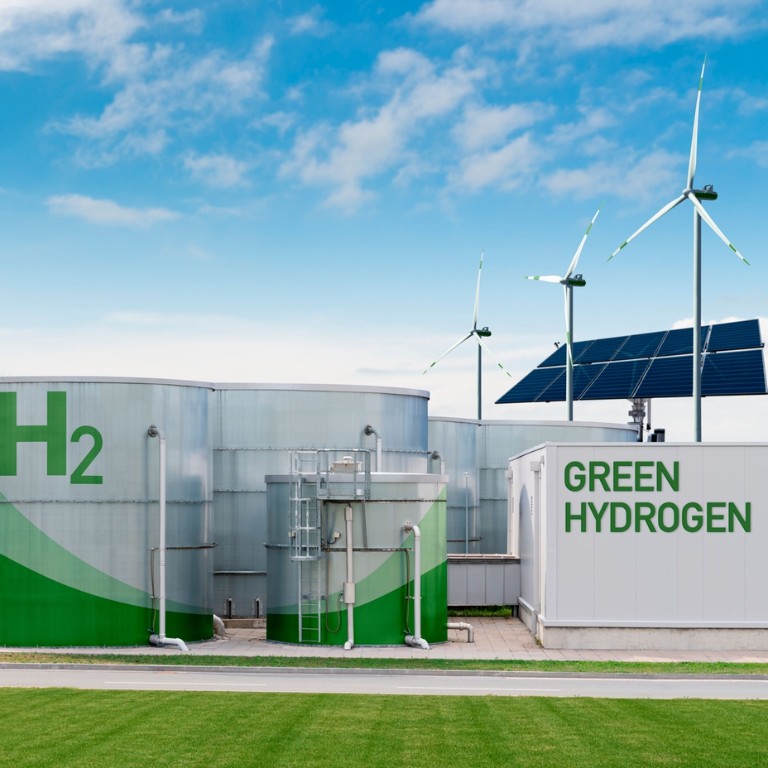
From renewables to hydrogen: electrolysis at the core
In a true green hydrogen system, renewable electricity from wind, solar or hydropower drives electrolysis to split water into hydrogen and oxygen. The approach avoids fossil feedstocks and enables carbon-free production at the source. Practical deployment depends on factors such as operating temperature and pressure, water quality, and electrolyzer type—where PEM designs offer fast response and high purity, while alkaline systems support cost-effective scaling.
Building an efficient green hydrogen system efficient
Reliability and efficiency hinge on precise control of temperature, pressure, and flow, alongside real-time gas analysis to safeguard purity across the process chain. For guidance on design considerations and technology choices, explore the article on green hydrogen system. Optimizing the balance of plant—cooling, drying, treatment and compression—helps translate stack performance into high overall plant efficiency.
Scaling challenges and pathways to adoption
Even with clear environmental benefits, large-scale deployment faces hurdles: electrolyzer costs, variable renewable power, and infrastructure for storage and transport. Progress concentrates on improved stack efficiency, materials compatibility for pipelines, and expanded renewable capacity—key steps to reduce levelized costs and enable wide industrial uptake.
A well-designed green hydrogen system turns renewable electricity into a versatile, zero-carbon energy carrier. With continued advances in electrolyzers, process instrumentation and supporting infrastructure, green hydrogen is positioned to become a foundational pillar of the clean-energy economy.
Dodaj komentarz